
Hi I’m Sarah and research assistant at the University of New South Wales. My research focuses on adoptive T cell therapy (ACT) in a model of B cell lymphoma. ACT is when T cells (normally cytotoxic T cells) are taken from the patient’s body and expanded in culture, to generate more T cells and they are then injected back into the patient’s body to kill the cancer. However it has been shown that when the T cells are injected into a high tumour load environment (i.e. late stage cancer) they become exhausted and stop functioning properly and when the T cells are injected in to a low tumour environment (i.e early stage cancer) they continue to function normally and kill tumour cells. Why this happens and whether exhausted T cells can be returned to functioning normally is what her research focuses on. I did her masters of research at Victoria University in Melbourne and is very also a passionate science communicator and loves to show what research is really like on her science Instagram t.cell.sarah.
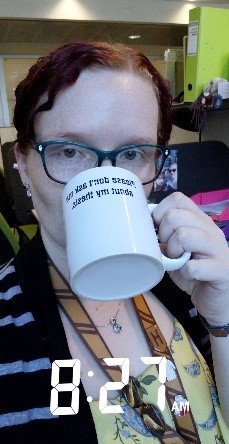
8.27am – I start work at 8am everyday because I like to get in early to get everything done. As I start early I like to bring breakfast to work, normally I have yoghurt or fruit and a glass of milk ( I don’t drink tea or coffee)

9.05am – Its an experiment day so straight into cell culture to get some sample collection tubes ready

9:16am – Tubes are ready to be taken downstairs to collect spleens and lymph nodes (immune organs)

11:14am – Collecting spleens and lymph nodes from the animals, I had treated earlier during the week. I collect immune organs to see what the T cells are doing.
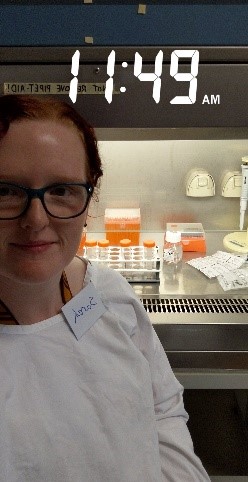
11:49am – Back in cell culture to turn these organs into single cell suspensions so I can use them for my experiments

11:57am – one down four to go, this is what a spleen looks like once I’ve mashed it through a cell strainer ( I know its super technical 😉 )
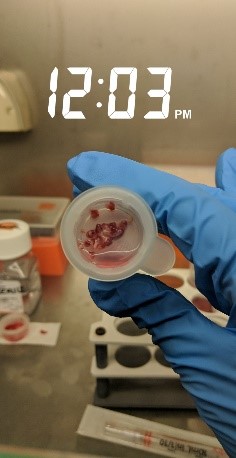
12:03pm – this is what lymph nodes looks like, they are red because the animal had cancer and they became haemorrhagic (filled with blood). Essentially I just mash the organ through and certain size mesh that the cells can pass through but not debris like epithelial cells or fat cells.
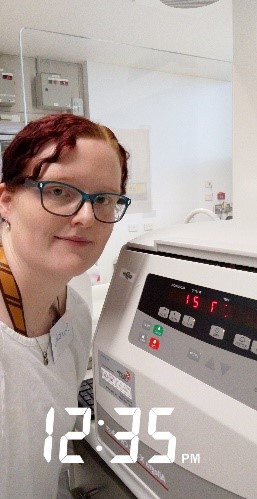
12.35pm – time to spin my samples in a centrifuge (I do this a lot, like a lot!), I spin my samples to pellet my cells in the bottom of the tube so I can get rid of the stuff I don’t want on top.
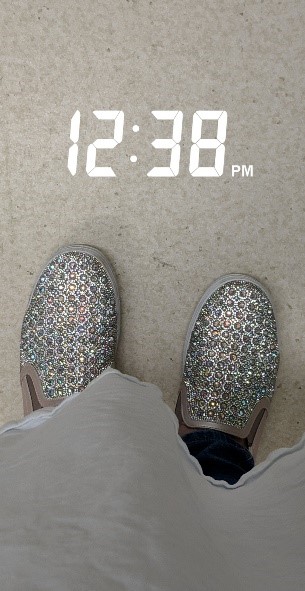
12:38pm – I decided to try make time go faster I would pace around the cell culture room (it didn’t help), also how pretty are my sparkly shoes (I don’t just love science)
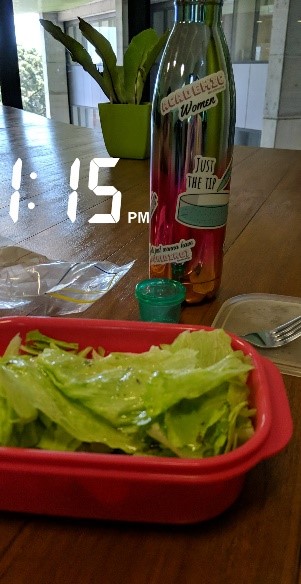
1:15pm – Lunch! My favourite meal at work, I normally eat lunch at 12pm but I was so busy that lunch had to wait, Right now I’m into salads because its getting warmer
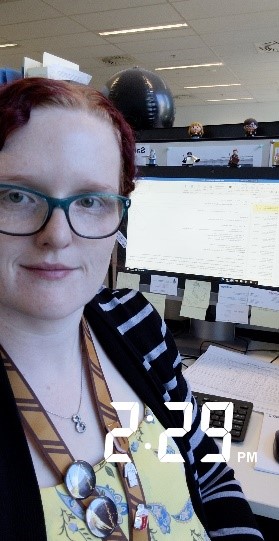
2.29pm – time to update things like animal usage records and my lab book. I am currently switching to an elab book so just trying to move things from my paper book over.
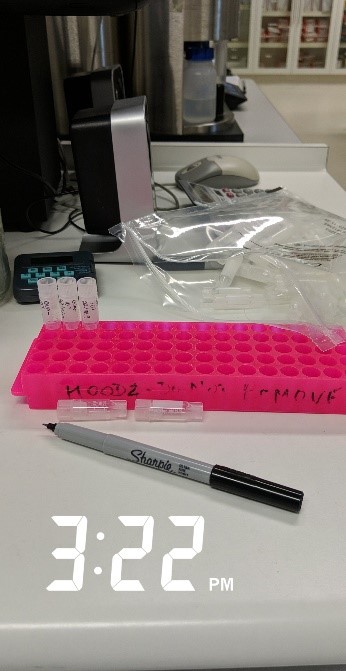
3:22pm – labelling some cryo-tubes for my cells from the day, I am going to freeze them to use in future experiments.
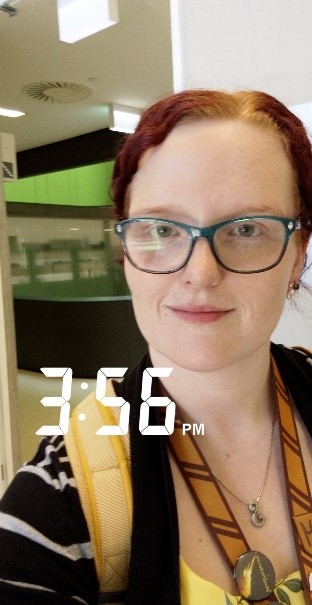
3:56pm – Time to go home, I don’t normally do a lot when I get home, I might go to Pilates ( I try go once a week) but normally I just cook myself dinner and relax or update my Instagram account. I also go to bed early because I wake up quite early for work. Hope you enjoyed learning more about what I do in a day.


Leave a Reply